Our
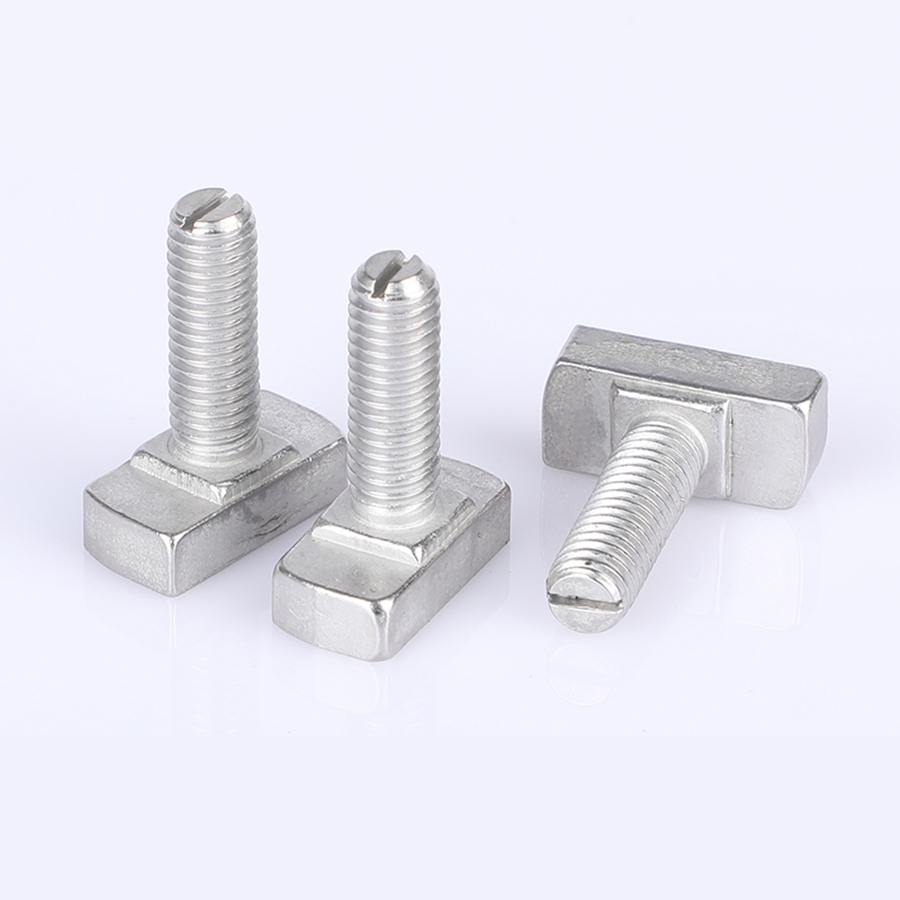
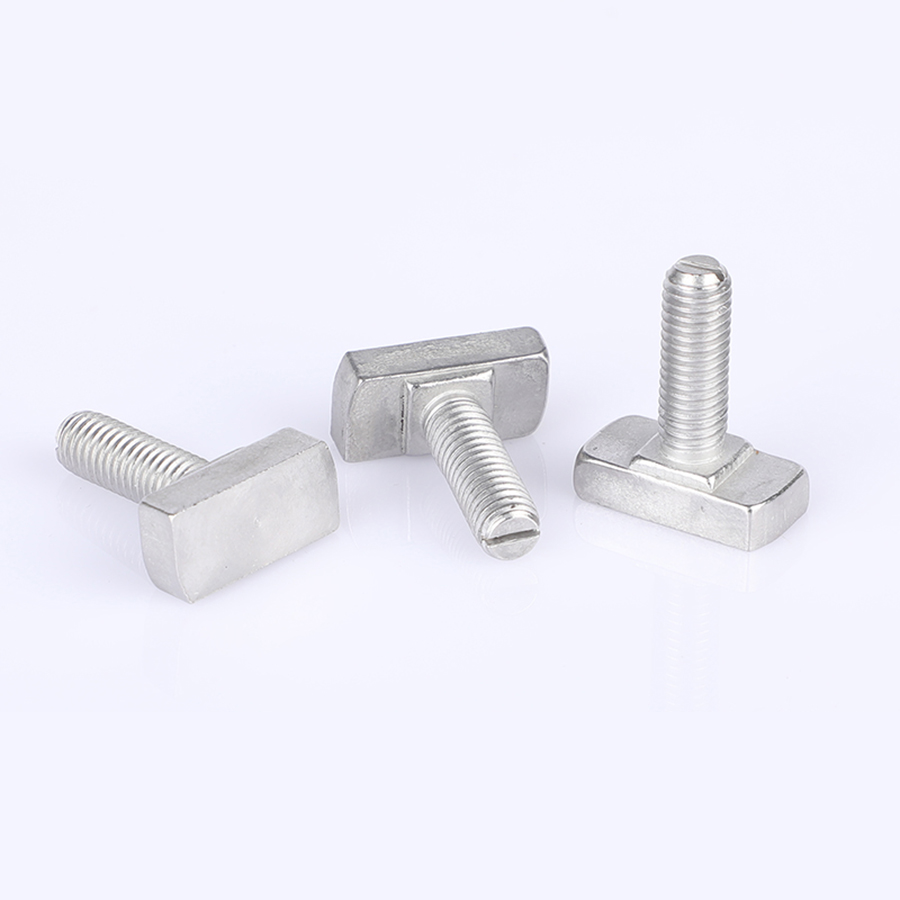
t bolt are engineered for exceptional durability and performance in demanding conditions and precision-manufactured to meet the rigorous demands of industrial applications. These corrosion-resistant stainless steel
T-bolts provide a reliable fastening solution, while traditional carbon
steel bolts can fail due to environmental exposure. Whether you're securing heavy machinery, building marine infrastructure, or installing equipment in a chemical processing plant, these high-strength stainless steel T-bolts offer unmatched durability and structural integrity.
Key features include a robust T-head for secure anchoring in concrete or masonry; excellent tensile strength comparable to Grade 8 fasteners; and a smooth surface to minimize surface wear during installation. Made from austenitic stainless steels such as 304 or 316, these fasteners resist rust, pitting, and oxidation, even when exposed to saltwater, acidic chemicals, or high humidity. Their design allows for easy retrofitting into existing structures without the need for specialized tools, making them ideal for maintenance personnel and engineers seeking an efficient, long-term solution.
t bolts lowes undergoes a rigorous quality control process, including mechanical testing, dimensional verification, and salt spray resistance verification. The manufacturing process eliminates internal voids and ensures a uniform grain structure, enhancing fatigue resistance—a critical factor in dynamically loaded environments. Unlike standard threaded rod or anchor bolts, these corrosion-resistant
t head bolt are constructed of stainless steel for easy installation and strong holding power, making them ideal for both new construction and retrofits in various sectors, including oil and gas, wastewater treatment, offshore platforms, and food processing facilities.
These industrial-grade fasteners are commonly used in mounting systems for conveyors, scaffolding, electrical enclosures, and structural framing, where vibration, humidity, and temperature fluctuations are constant challenges. They maintain clamping force over time, reducing the need for frequent inspection or replacement, lowering lifecycle costs, and improving safety compliance. Requiring no galvanizing or additional coatings, they are maintenance-free in most environments, delivering consistent performance year after year.