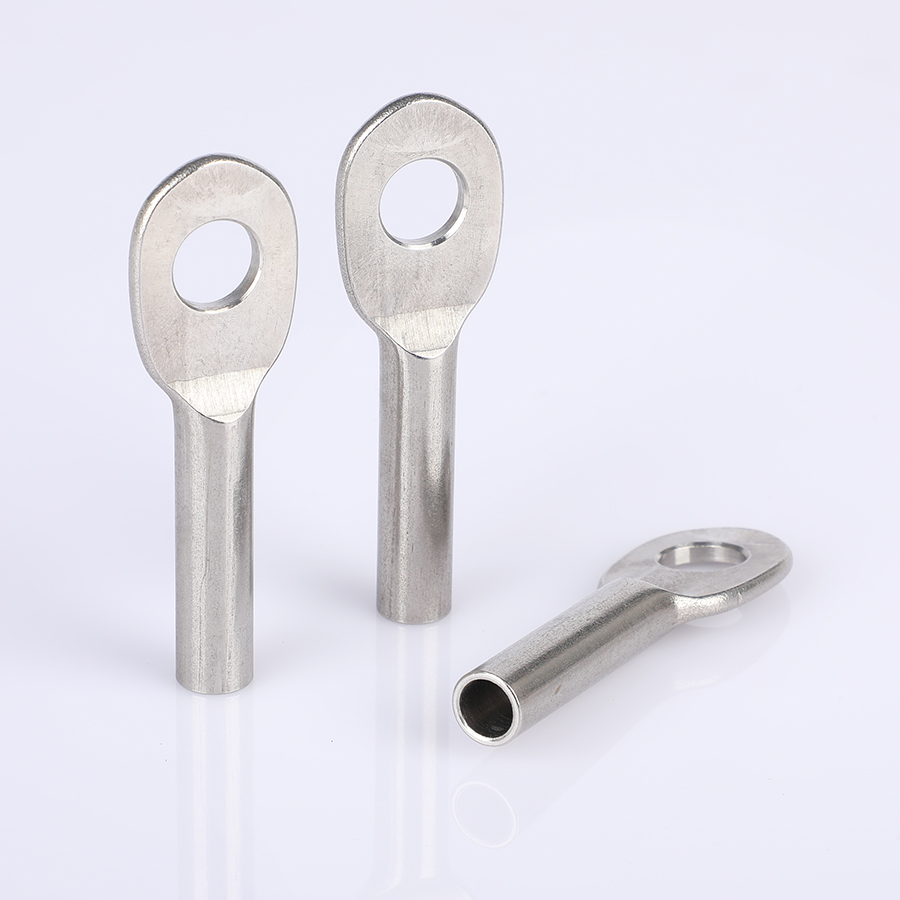
In the realm of industrial electrical infrastructure, the integrity of connections dictates the reliability of entire systems. This product line features high-grade
Stainless Steel Screws specifically engineered to secure terminal blocks in demanding environments. Whether you are dealing with corrosive chemical plants, marine installations, or heavy-duty manufacturing facilities, the choice between 304 Stainless Steel terminal block configurations and 316 Stainless Steel terminal block assemblies is critical. These components serve as the vital link ensuring stable current flow while resisting environmental degradation. The inclusion of both 304 and 316 Stainless Steel terminal block options allows engineers to select the precise material grade based on specific exposure risks, balancing cost-efficiency with maximum durability. By utilizing these robust fastening solutions, operators can significantly reduce maintenance intervals and prevent costly downtime associated with loose connections or material failure.
Detailed Description
Understanding the nuances between different grades of stainless steel is paramount for optimal system design. The 304 Stainless Steel terminal block represents the workhorse of the industry, providing a versatile solution for standard electrical panels, control cabinets, and residential wiring setups. Its chromium-nickel composition forms a passive oxide layer that protects against rust and oxidation under normal conditions. However, in aggressive settings, this protection may eventually compromise if not properly maintained. Conversely, the 316 Stainless Steel terminal block elevates performance by introducing molybdenum into the alloy matrix. This addition dramatically enhances pitting and crevice corrosion resistance, making it indispensable for offshore oil rigs, wastewater treatment facilities, and food processing equipment where hygiene and sanitation are non-negotiable. The hybrid approach of offering a 304 316 Stainless Steel terminal block portfolio ensures that clients are not forced to over-specify materials for simple tasks nor under-specify them for complex challenges. Each screw is manufactured using cold-heading processes followed by threading operations that preserve the grain structure, resulting in higher tensile strength compared to cut threads. This mechanical advantage means that even under extreme vibrational loads, the connection remains secure. Furthermore, the compatibility of these screws with various insulating materials such as nylon, polycarbonate, and thermoplastic elastomers ensures safe operation across a wide temperature range. The design facilitates easy installation and removal without galling, thanks to appropriate lubrication coatings or material pairings that reduce friction during assembly. This attention to detail in manufacturing translates directly into long-term operational safety and efficiency for global infrastructure projects.
Frequently Asked Questions
What is the primary difference between 304 and 316 stainless steel for terminal blocks?
The main distinction lies in corrosion resistance. 316 contains molybdenum, which provides superior protection against chlorides and acids compared to 304, making it better for marine or chemical environments.
Can I mix 304 and 316 components in the same assembly?
While physically possible, it is generally recommended to use compatible grades to avoid galvanic corrosion issues, although stainless steel to stainless steel pairing is usually safe if they are of similar composition.
Are these screws suitable for high-vibration applications?
Yes, the precision threading and material strength of both 304 Stainless Steel terminal block and 316 Stainless Steel terminal block variants are designed to resist loosening under vibrational stress.
How does the 304 316 Stainless Steel terminal block option help in project planning?
It allows for cost optimization by selecting 304 for low-risk areas and 316 for high-corrosion zones, ensuring budget efficiency without sacrificing safety.
Is special lubrication required for installation?
Standard installation practices apply, but using an anti-seize compound compatible with stainless steel can further prevent galling and ensure easier future disassembly.
Why choose stainless steel over other materials for terminal blocks?
Stainless steel offers a unique combination of strength, corrosion resistance, and non-magnetic properties, making it ideal for harsh environments where plastic or carbon steel would fail prematurely.


 Contact Now