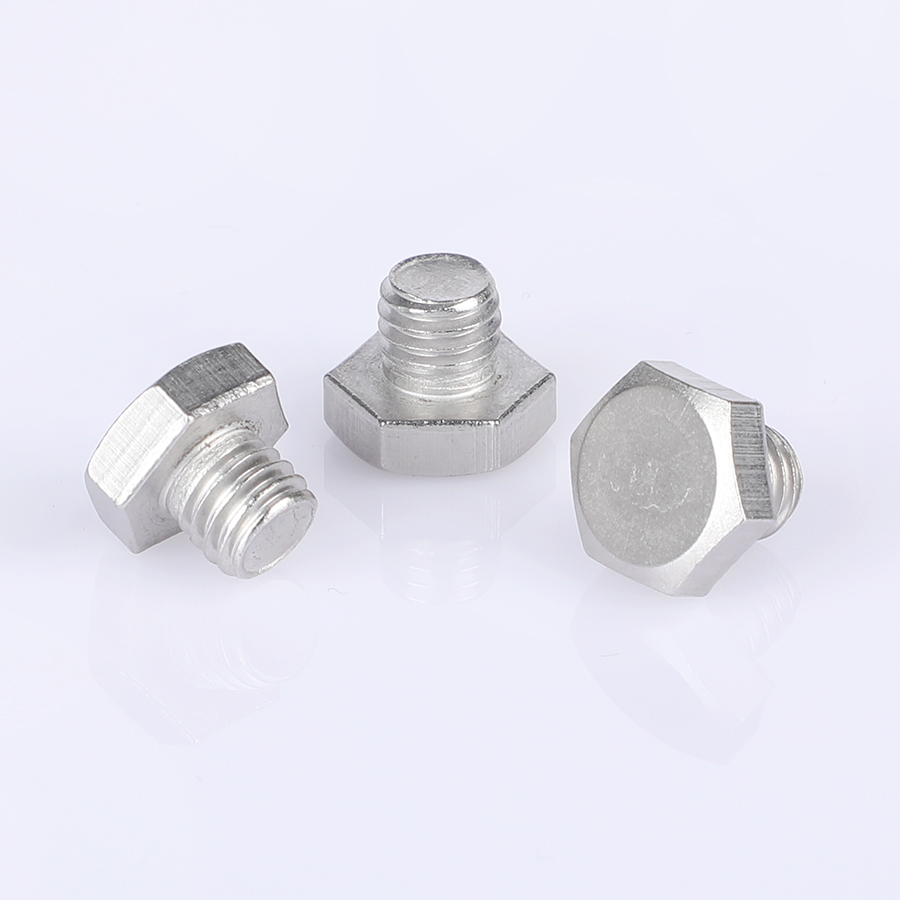
Stainless steel hex bolts offer significant advantages over traditional carbon steel hex bolts. Stainless steel hex bolts are able to resist corrosion and aging from moisture, chemicals, and harsh weather conditions. This makes them ideal for indoor and outdoor applications where durability and maintenance-free operation are important. In addition, these bolts maintain their strength and appearance over time, making them a top choice for high-performance applications.
One of the main features of
hex head bolt is their design. The hexagonal shape allows them to be easily tightened and loosened using a standard wrench or socket tool. This design also provides a secure grip, reducing the risk of slipping during installation. Whether you need to assemble equipment, reinforce a structure, or build a durable joint, the hexagonal head ensures a secure and stable connection.
hex cap bolt are available in a variety of sizes, thread types, and finishes to meet different needs and specifications. Common thread types include coarse and fine threads, each of which has its own unique advantages depending on the application. Coarse threads are often used for general purpose installations, while fine threads are more precise and suitable for more delicate or tight-fitting components. The surface finish of the bolt also affects its performance, and surface finishes such as polished, satin, or passivated can enhance aesthetics and functionality.
When choosing a
m5 hex bolt, it is important to consider the grade of stainless steel used. Different grades of stainless steel offer different levels of corrosion resistance, heat resistance, and mechanical strength. For example, 304 stainless steel is widely used in general-purpose applications, while 316 stainless steel is preferred in more demanding environments due to its excellent resistance to salt water and chemical corrosion. Choosing the right grade ensures that the bolt performs optimally under specific conditions.
Another advantage of
m6 hex bolt is their versatility. They can be used in a wide range of industries, including manufacturing, engineering, marine, aerospace, and automotive. Able to withstand extreme temperatures and corrosive environments, they are a reliable choice for critical applications where failure can have serious consequences. In addition, their non-magnetic properties make them ideal for use in sensitive electronic or medical devices.